

When the North Texas winter arrives, most Mansfield residents spend more time indoors, windows closed and heaters humming. Even in a mild climate, cold rain, road salt and muddy boots can wreak havoc on carpets, hardwood and tile floors. Without proper care, winter grit prematurely wears fibers, dries out wood and discolors grout. This guide explains why winter is hard on flooring and offers practical tips for homeowners and small businesses in Mansfield and the surrounding communities. We’ll explore how to protect each surface, when to DIY and when to call Polo Carpet Cleaning and Flooring for professional help.
Why Winter Is Tough on Carpets
During winter, carpets act as filters for everything tracked in from the outdoors. Snow, mud and salt can cling to shoes and boots, grinding into carpet fibers and causing stains and wear. Moisture carried indoors can lead to mold and mildew, while salt can make fibers brittle and prone to damage. In Mansfield, road crews occasionally apply de‑icing salt during cold snaps, so your entryways may see more salt than you realize.
Preventive measures:
Place entryway mats and boot trays. A sturdy outdoor mat with rough bristles will scrape off snow, salt and mud; an indoor mat catches anything that remains. If you have a garage entry, set up a boot tray to collect water and salt.
Use rugs and runners in high‑traffic areas. Hallways, entryways and paths to the kitchen see the heaviest winter traffic. Durable runners protect carpets from direct wear and can be easily shaken or vacuumed.
Vacuum frequently. Aim to vacuum high‑traffic areas at least once a week to remove dirt before it becomes embedded. Use a vacuum with strong suction and a clean filter to capture allergens and grit.
Blot stains immediately. Winter mud and salt stains become harder to remove the longer they sit. Blot spills with a soft cloth and a mild dish‑soap solution rather than rubbing, which drives dirt deeper.
Benefits of Winter Carpet Cleaning
Many people assume carpet cleaning should wait until spring, but winter is actually an excellent time to deep‑clean your carpets. Professional carpet cleaning removes embedded dirt and allergens, rejuvenates fibers and makes your home feel fresh for the holiday season. Several benefits stand out:
Improved indoor air quality. With windows closed in winter, indoor air can trap dust, pet dander and pollutants. Carpet cleaning removes these contaminants, leading to fresher air and reducing allergy triggers.
Faster drying times. Cold winter air is typically drier than humid summer air. Running your heating system lowers indoor humidity, allowing carpets to dry more quickly after cleaning. Area Rug Masters notes that lower humidity and controlled temperatures help carpets dry fast and stay fresh.
Less foot traffic. Winter often means fewer visitors and less traffic in and out of the home, so carpets stay cleaner longer after a professional cleaning.
Combats winter dirt and salt. Regular cleaning prevents mud, salt and sand from settling into carpet fibers and causing permanent damage. Professional extraction removes grit and protects carpet texture.
Prepares for spring allergies. Deep cleaning in winter removes allergens accumulated over the colder months, giving you a head start on spring cleaning and ensuring healthier air as pollen season begins.
When scheduling a professional cleaning, consider mid‑winter—after the holidays but before spring. Most carpets benefit from professional cleaning every 12–18 months to maximize lifespan. High‑traffic homes with pets may need cleaning every 6–12 months. If you have family members with allergies or light‑colored carpets, more frequent cleaning helps maintain appearance and health.
Hardwood Floor Care During the Cold Season
Hardwood floors respond dynamically to environmental changes. As humidity drops in winter, wood releases moisture and contracts, potentially creating gaps between boards and causing static that attracts dust. Salt and snow tracked indoors can scratch finishes. Mansfield’s winter air tends to be dry when heaters run, so paying attention to humidity is essential.
Winter maintenance tips for hardwood:
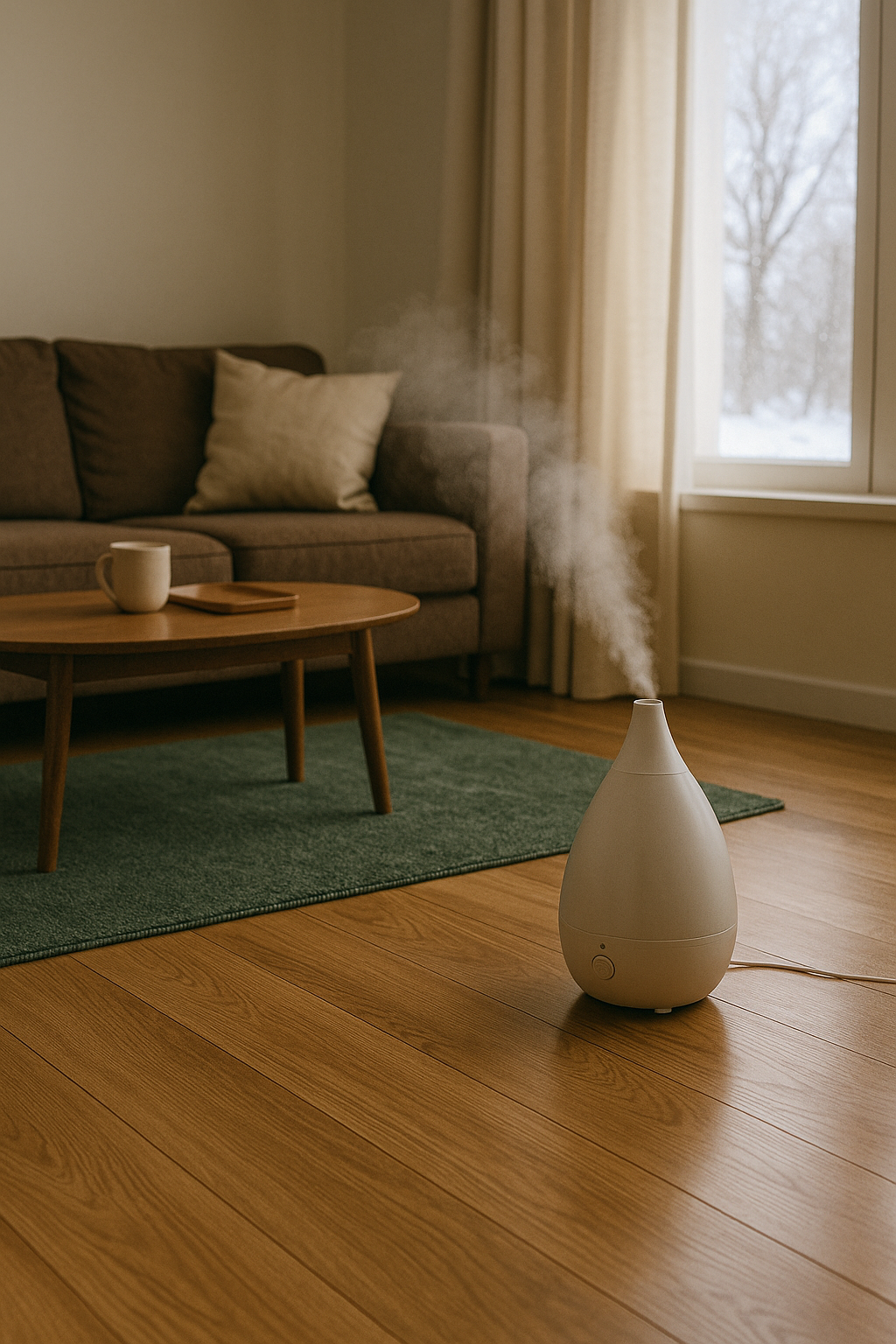
Maintain indoor humidity between 35–45 %. Use a whole‑house humidifier or portable units to add moisture to the air during heating season. Monitor humidity levels with a hygrometer in rooms with hardwood. Avoid extreme swings, which can cause warping or cracking.
Adjust heating carefully. Keep temperatures moderate and consistent; sudden spikes in heat can dry out wood quickly.
Create entry protection zones. Place mats both outside and inside entrances to capture salt, moisture and grit. Wipe up melted snow or water immediately to prevent warping.
Use a slightly damp mop—never wet. For routine cleaning, sweep or vacuum to remove dust, then mop with a wood‑friendly cleaner. Excess water can penetrate seams and cause damage. Dry the floor promptly.
Schedule professional services. A winter deep clean removes salt residue and winter grime. Professionals can also apply protective treatments before heating season and assess any developing gaps or finish issues.
Caring for Tile and Grout in Winter
Tile floors are durable, but winter elements can still cause wear and staining. Salt, gravel and melted snow can scratch tile surfaces and discolor grout. Ceramic tile is porous; if grout lines are not sealed, water can penetrate and lead to stains.
Keep tile and grout looking fresh:
Set up a seating area to remove boots. Encourage family and guests to take off shoes at the entrance to prevent mud and salt from being tracked onto tile. Flip‑flops or slippers can keep feet warm without dirtying the floor.
Sweep or vacuum regularly. Gravel and salt can scratch the tile surface. Sweeping every other day prevents debris from grinding into the protective layer. Vacuum attachments can help reach corners.
Mop sparingly and wipe spills promptly. Ceramic tile can absorb water, so avoid leaving puddles on the surface. Mopping once a week with warm water and a mild detergent is sufficient as long as you sweep in between. Use mats near sinks or entryways to catch drips.
Clean and seal grout lines. Grout can become dull and stained over winter. Use a professional‑grade grout cleaner or a solution of bleach diluted in water to remove stubborn stains. For persistent stains, a baking soda paste applied overnight can help. Sealing grout after cleaning protects against future discoloration.
Use the right mop. Sponge mops push water into grout lines, making floors look dirtier. A microfiber mop picks up water and dirt effectively and is gentle on grout.
Another helpful resource for all floor types during winter recommends high‑quality mats, daily sweeping or vacuuming, damp mopping with appropriate cleaners and periodic deep cleaning to maintain floor beauty and longevity. When selecting a cleaning solution, choose pH‑neutral products for tile to avoid damaging grout, and use cleaners formulated specifically for hardwood, laminate or vinyl. Deep cleaning once a month in winter keeps floors looking their best.
When Should You DIY and When Should You Call a Professional?
Routine maintenance—such as vacuuming, sweeping, blotting spills and using mats—can be handled by most homeowners. However, there are situations where professional expertise ensures better results:
Deep stains and odors. Pet accidents, long‑term soil build‑up or salt stains may require specialized products and extraction techniques. Professional cleaners use enzyme‑based solutions and hot water extraction to remove deep contaminants and odors.
Allergy or health concerns. If family members suffer from allergies or asthma, professional cleaning removes allergens and improves indoor air quality more effectively than DIY methods.
Delicate or high‑value flooring. Wool rugs, oriental carpets and high‑end hardwoods need gentle, eco‑friendly treatments. Professionals know how to clean without damaging fibers or finishes.
Busy schedules and holiday preparation. Winter is filled with holiday gatherings. Hiring a professional frees up your time and ensures carpets and floors look pristine for guests.
Warranty requirements. Many carpet warranties require professional cleaning every 12–18 months and recommend steam cleaning to maintain coverage. Maintaining documentation of professional cleaning can protect your investment.
Local Considerations for Mansfield, Texas
Mansfield’s climate differs from northern states—it rarely sees heavy snow, but winter can bring cold rain, occasional ice and plenty of mud. Road salt from the Dallas–Fort Worth region may still find its way onto your floors, and dry heated air can stress hardwood. Because our winters are relatively mild, you can take advantage of flexible scheduling and faster drying times when you book professional cleaning in the winter. Maintaining humidity and using entryway mats will address the local challenges of dry air and mud.
Conclusion: Keep Your Floors Clean and Healthy All Winter
Winter doesn’t have to be hard on your floors. With the right preventive measures—mats, frequent vacuuming and humidity control—Mansfield homeowners can protect carpets, hardwood and tile from winter wear. Deep cleaning in mid‑winter improves indoor air quality, dries quickly and prepares your home for spring. For routine tasks, DIY maintenance works well, but for deep stains, delicate materials or to meet warranty requirements, professional services are the smart choice.
At Polo Carpet Cleaning and Flooring, we specialize in residential and commercial carpet cleaning, area rug care, upholstery cleaning, tile and grout cleaning, and hardwood, vinyl and laminate floor maintenance across Mansfield and the surrounding communities. Our trained technicians use eco‑friendly products and industry‑leading equipment to deliver outstanding results. Ready to protect your floors this winter? Call us today to schedule a winter carpet cleaning or request a free quote. Let’s keep your home or business looking its best all season long.


